Finishing a first draft feels like being wrung out—an old washrag, used and exhausted—but also strangely exhilarated. I scroll back through the chapters knowing what I’ve just written is a rough stone, full of sharp edges and mismatched pieces. Some scenes hit hard, some soar with emotion. Others? They’ll need to be cut. A few puzzle pieces don’t fit the bigger picture, and the pacing is uneven. That’s the truth of a first draft: it’s messy, imperfect, and absolutely necessary.
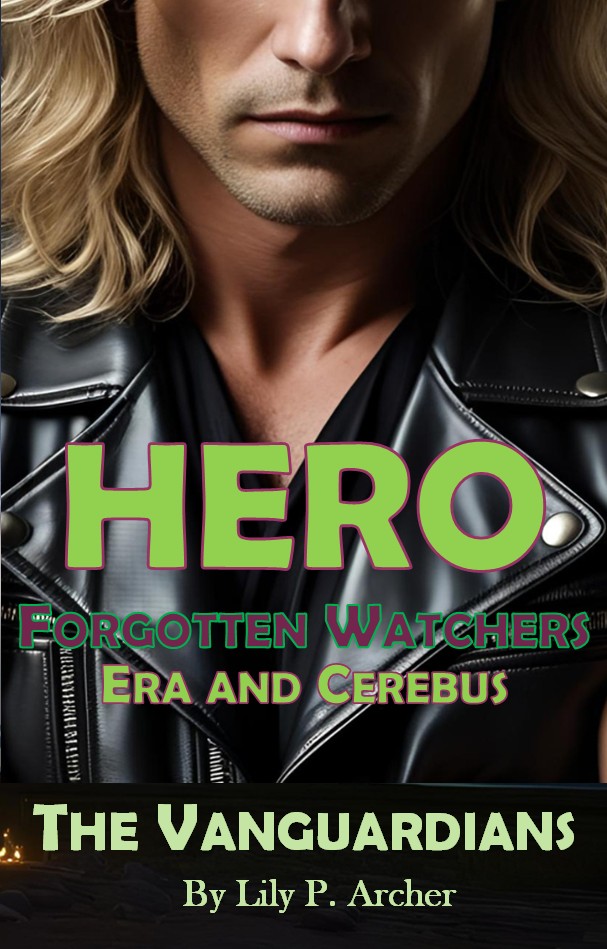
Hero, book seven in the Vanguardian series, is sprawling and ambitious. The first draft isn’t exactly what I mapped out when I began—it’s better. But there’s plenty of work ahead. Cameos, crossovers, timelines to tighten so that everything revealed in earlier books flows naturally into the larger story arc. The next drafts will refine what’s here, sharpening the edges and cutting the excess until the heart of the story beats clean and strong.
For now, I’m satisfied. The most important thing is this: you can’t revise a blank page. A first draft is about momentum, about letting the characters speak and the world take shape, however rough it feels. It’s a milestone, not the horizon.
While Hero settles, I’ll turn back to Oracle, incorporating proofreaders’ notes and polishing it toward its release on Kindle Direct. When I return to Hero, it will be with fresh eyes and a sharper perspective. That’s one of the gifts of writing a series—you’re never standing still. Each book stands alone, but together they weave a larger tapestry that’s deeply satisfying to build.
And, of course, the next story is already stirring. Sacrifice is taking shape in the back of my mind—Shayla and Matthew’s journey will be intense, grueling, but worth every page. That’s the cycle of writing: finish one draft, prepare another for flight, and keep listening for the next characters demanding their turn.
First drafts aren’t the end. They’re proof that the story is alive. it when they get their HEA (Happily Ever After.)

 Lily Writes
Leave a comment