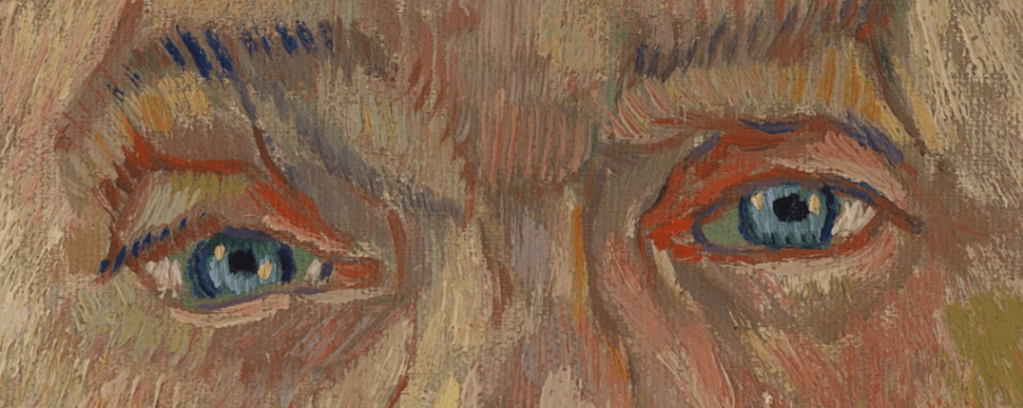
I didn’t realize this at first, but not everyone walks through the world collecting details.
The tilt of a woman’s hand as she grips her partner’s. The way he doesn’t look at her at all. The golden wash of evening light across a crumbling facade. A busker’s song echoing off the sides of parked cars. Even the way a restaurant plates dinner—protein set just so, always around 9:00 on the clock face of the plate.
Details. They’re the raw material of my imagination.
I’ve always been a visual person. Maybe that’s why audiobooks never worked for me. They move too slowly. The voices are always wrong. I want to cast the characters myself, let them come alive at my pace, not someone else’s.
Plays feel the same way sometimes. Instead of losing myself in the story, I find myself dissecting the mechanics—lighting, stage direction, costumes, even the audience. I can’t help but take notes in my head, which keeps me from surrendering to the moment.
Movies run faster, but their intensity can feel like a trap. I bristle at the manipulation: Don’t make me care about this character just to rip them apart on screen. I don’t want to watch it, don’t want those images lodged in my mind. I can read it, yes. I can even write it. But I don’t want it projected twenty feet tall in front of me.
So I’m cautious with what I watch. No surprises. I want to know the arc, the triggers.
But if I don’t take my characters from movies or shows, where do they come from?
For me, it often starts with music. A single song spins a mood, conjures a scene. Characters step out of the mist, tentative at first, then sharper with each replay. Pandora has been my quiet co-conspirator, feeding me echoes and variations until a character solidifies, a moment sharpens, a story thread begins to weave itself.
Questions follow: How did they get here? Who else is with them? Where are they going next? What would make this more intense?
Commuting was another fertile ground. For years, I had an hour-long drive in the morning and again in the evening. Those were my favorite times of day. Coffee in hand, music loud, characters waiting in the wings of my imagination.
Back then, I didn’t always have time to write. Work filled the days, so the characters stayed secret companions—joining me on breaks, in the campus courtyard with a coffee, or drifting into my half-dreams as I fell asleep at night.
But eventually, I realized I wanted to keep them. Really keep them. My father had Alzheimer’s. I watched the way memory unraveled him, and I thought: What if I lose mine? What if I lose them?
If I wrote them down, I could keep them even if I forgot myself.
At first, that idea felt morose. My parents had just died, and grief had made every day heavy. But the moment I wrote my first book, something shifted. Then the second. Then the third. Each finished story unlocked more characters, more stories—space expanding instead of shrinking.
Now I write 8–10 hours a day. Every day. Mornings for first drafts, afternoons for rewrites. Time blurs. Seasons blur. Sometimes even grief blurs.
Writing has become more than a practice. It’s a home I built myself. A world where things can make sense, where challenges can be faced and—even if imperfectly—overcome.
That’s what I love about being a writer. Not just the stories, but the secret company of characters who arrive when I pay attention to the world. The details. Always the details.

 Lily Writes
Leave a comment